




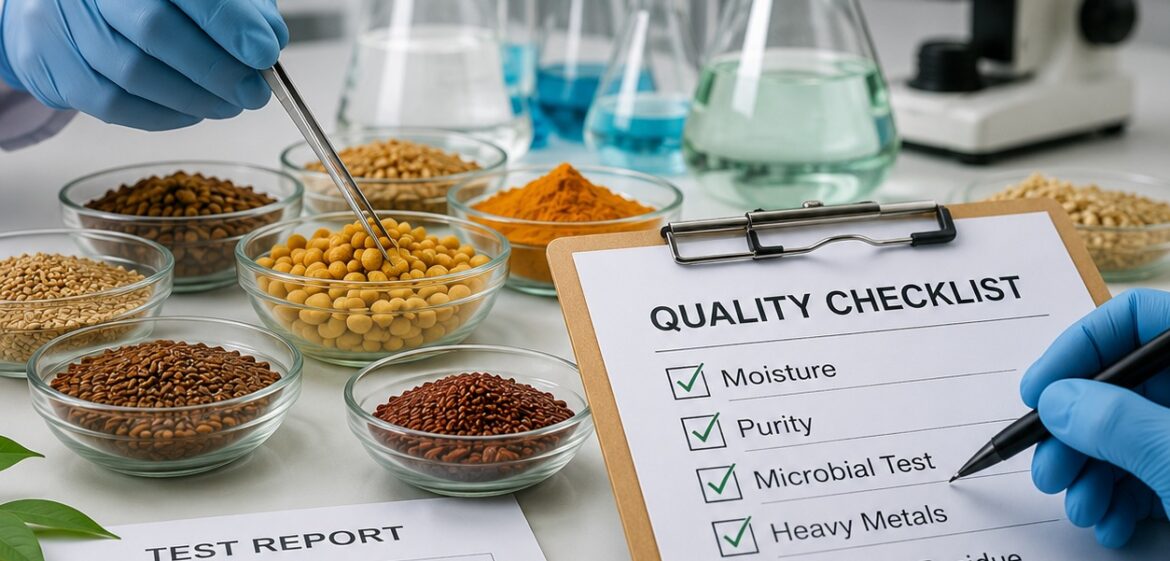
In today’s global marketplace, quality control has become a defining factor in the success of agricultural exports. International buyers are no longer focused solely on pricing and availability—they also expect consistency, traceability, and compliance with increasingly stringent quality standards. As India’s agricultural exports continue to gain recognition worldwide, maintaining product integrity throughout the supply chain is more important than ever. From sourcing and processing to packaging and transportation, every stage plays a role in ensuring that products meet buyer expectations and regulatory requirements. Effective quality control begins with careful selection of raw materials and continues through inspection, testing, and proper handling practices. Key parameters such as moisture content, purity, cleanliness, appearance, and overall product condition must be monitored to maintain consistency across every shipment. Modern quality assurance practices also include laboratory testing, traceability measures, and documentation that support compliance with international standards. Packaging and logistics are equally important. Agricultural products often travel long distances before reaching their destination, making it essential to protect them from moisture, contamination, and environmental factors that may affect quality during transit. For specialty products such as millets, Lakadong Turmeric Powder, and Black Turmeric Powder, maintaining quality consistency is particularly important. Buyers increasingly seek authentic, premium-quality products that meet both functional and regulatory expectations. Reliable quality control helps preserve the unique characteristics of these products while building trust with customers. At Aalapstar, quality is considered an integral part of responsible agricultural trade. Through careful sourcing, product evaluation, and export-ready handling practices, we strive to deliver agricultural products that meet the expectations of global buyers and support long-term business relationships. In an increasingly competitive export environment, quality control is no longer just about compliance—it is about credibility, reliability, and trust.
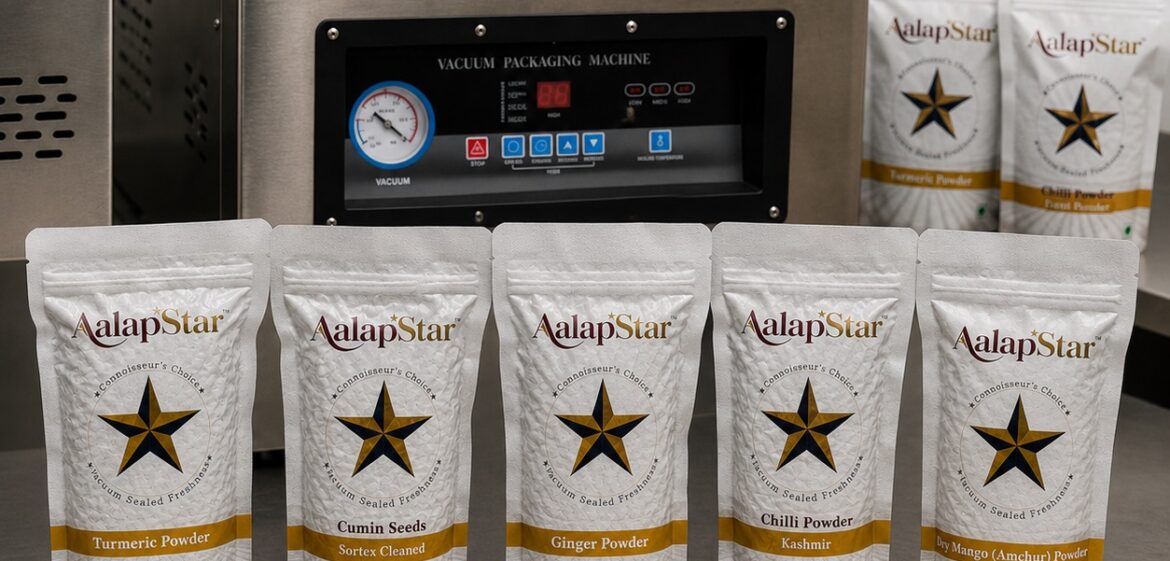
A spice’s true value lies in its aroma, flavor, and freshness. Yet over time, even premium-quality spices can lose their characteristic strength if they are not stored and packaged correctly. Whether it is turmeric, ginger, cumin, chili, or seasoning blends, maintaining product quality after processing is one of the biggest challenges in the global spice industry. The reason is simple: spices contain natural volatile oils that are responsible for their distinctive aroma and flavor profiles. Once exposed to unfavorable conditions, these compounds gradually deteriorate, reducing the quality and sensory appeal of the product. The Silent Enemies of Spice Quality Several factors can affect spices during storage and transportation: Oxygen (Oxidation): Exposure to air accelerates the breakdown of volatile oils, causing spices to gradually lose their aroma, flavor, and freshness. Moisture: Spices naturally absorb moisture from the surrounding environment. Excess moisture can lead to clumping, reduced shelf stability, and potential quality concerns during storage. Light and Heat: Prolonged exposure to sunlight and fluctuating temperatures can affect color, aroma, and overall product integrity. For exporters, these challenges become even more significant. Products often travel thousands of kilometers through varying climatic conditions before reaching their final destination. Vacuum Packaging: Protecting Quality Beyond Production Vacuum packaging helps address these challenges by removing excess air from the package and creating a more stable environment around the product. By reducing oxygen exposure, vacuum-sealed packaging helps preserve aroma, flavor, color, and freshness for longer periods. It also helps minimize moisture absorption during storage and transit, supporting product consistency and maintaining the free-flowing texture of spice powders and seasonings. In addition, vacuum-sealed packs are compact, easy to handle, and well-suited for international shipping and long-term storage. The Aalapstar Approach At Aalapstar, we believe quality assurance extends beyond sourcing and processing. The way a product is packaged and transported plays an equally important role in preserving its value. Our vacuum packaging practices are designed to support product integrity throughout the supply chain, helping ensure that spices and seasonings reach international buyers in the condition they were intended to be enjoyed. As global markets continue to prioritize consistency, freshness, and reliability, vacuum packaging has become an important component of modern spice exports. By protecting quality beyond production, exporters can strengthen buyer confidence, reduce product deterioration, and deliver a better experience from origin to destination.
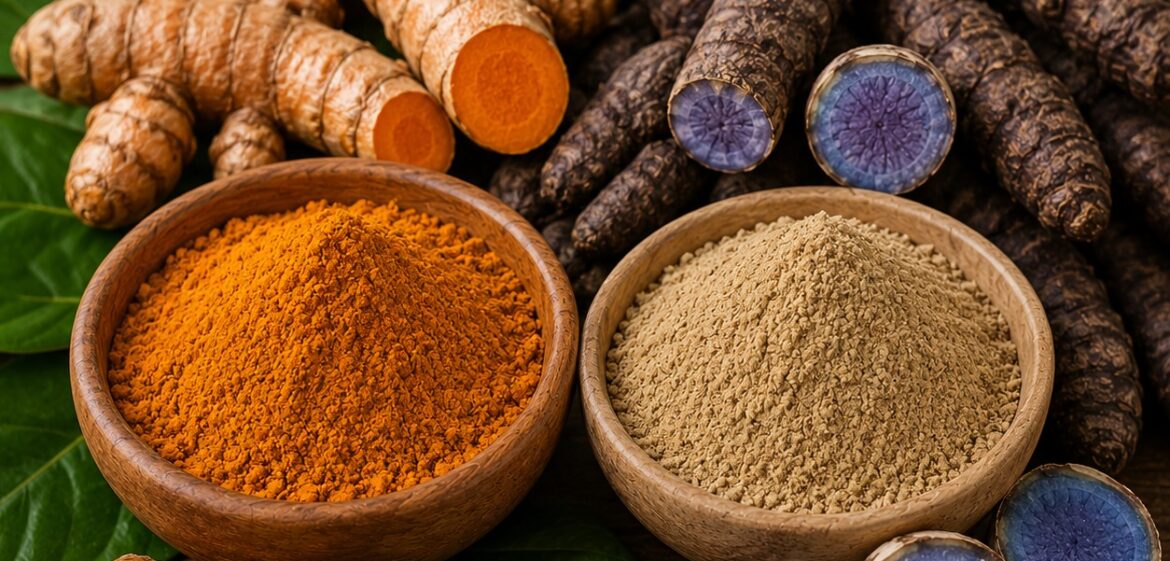
India has long been recognized as one of the world’s leading sources of turmeric, a spice valued for its vibrant color, distinctive aroma, and diverse applications across food, wellness, and personal care industries. Among the many varieties cultivated in the country, Lakadong Turmeric and Black Turmeric have gained increasing attention from international buyers seeking unique and premium agricultural products. Lakadong Turmeric: A Premium Variety from North East India Grown in Northeastern region of India, Lakadong Turmeric is widely recognized for its naturally high curcumin content, vibrant color, and rich aroma. The region’s favorable climate, fertile soil, and traditional cultivation practices contribute to the unique characteristics that distinguish Lakadong from many conventional turmeric varieties. Its growing popularity has created opportunities across a range of industries, including food processing, nutraceuticals, herbal products, and premium culinary applications. Buyers increasingly value Lakadong Turmeric for its authenticity, consistency, and quality attributes, making it a preferred choice for businesses seeking premium turmeric ingredients. Black Turmeric: A Rare and Distinctive Botanical Black Turmeric (Curcuma caesia), commonly known as Kali Haldi, is a rare turmeric variety recognized for its striking bluish-black rhizomes and distinctive aroma. Unlike traditional yellow turmeric, Black Turmeric occupies a niche position within specialty ingredient markets and is increasingly sought after by manufacturers and formulators looking for unique botanical products. Its rarity, unique appearance, and traditional significance have contributed to growing international interest across wellness, personal care, herbal, and specialty product sectors. As awareness continues to expand, Black Turmeric is becoming an increasingly valuable ingredient for businesses seeking differentiated product offerings. The Aalapstar Advantage As global demand for specialty agricultural products continues to rise, buyers place increasing importance on authenticity, traceability, and reliable supply. At Aalapstar, we work closely with trusted sourcing networks to supply premium-quality Lakadong Turmeric Powder and Black Turmeric Powder to international markets. Our approach emphasizes responsible sourcing, careful product selection, quality-focused handling practices, and export-ready packaging designed to maintain product integrity throughout the supply chain. Whether serving manufacturers, distributors, private-label brands, or importers, we recognize the importance of consistency and reliability in global trade. As interest in premium botanical ingredients continues to grow, Lakadong Turmeric Powder and Black Turmeric Powder remain valuable additions to the portfolios of businesses seeking authentic, high-quality products rooted in India’s rich agricultural tradition. Through a commitment to quality and dependable sourcing, Aalapstar strives to connect global buyers with some of India’s most distinctive agricultural treasures. The growing demand for millets is driven by a combination of nutritional awareness and sustainability considerations. Naturally rich in dietary fiber, essential minerals, and plant-based nutrients, millets are increasingly being incorporated into breakfast cereals, bakery products, snack foods, flour blends, and ready-to-cook formulations. Their gluten-free nature and diverse culinary applications have further contributed to their growing acceptance across international markets. Beyond their nutritional benefits, millets are also valued for their environmental advantages. Compared to many conventional cereal crops, millets generally require less water and can thrive in challenging growing conditions. As food manufacturers and consumers place greater emphasis on sustainable sourcing practices, these characteristics have positioned millets as an important crop for the future of agriculture. India remains one of the world’s leading producers of millets, cultivating a wide variety of grains including Jowar (Sorghum), Bajra (Pearl Millet), Ragi (Finger Millet), Foxtail Millet, and Little Millet. Supported by an established agricultural ecosystem and expanding export infrastructure, India is well positioned to meet the growing international demand for premium millet products. For global buyers, the focus extends beyond sourcing alone. Consistency, quality, traceability, and compliance with international standards have become essential considerations throughout the supply chain. Reliable sourcing partners play a critical role in ensuring that millet products meet the expectations of food manufacturers, distributors, and retailers across diverse markets. At Aalapstar, we recognize the increasing global interest in Indian millets and their potential across food processing, retail, and private-label applications. Through responsible sourcing, quality-focused handling practices, and a commitment to consistency, we strive to connect international buyers with premium agricultural products that support evolving market needs. As consumer preferences continue to shift toward healthier and more sustainable food choices, Indian millets are well positioned to remain an important part of the global food landscape for years to come.
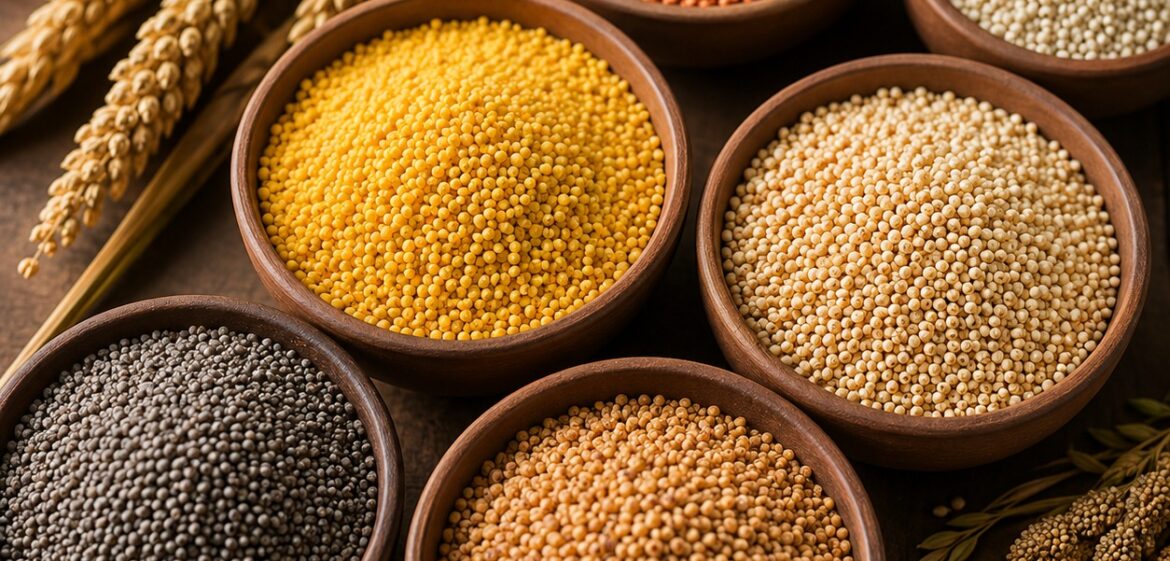
Indian millets are experiencing a remarkable rise in global popularity as consumers increasingly seek nutritious, sustainable, and versatile food ingredients. Once considered traditional grains consumed primarily in local communities, millets have emerged as an important component of modern health-conscious diets and innovative food formulations worldwide. The growing demand for millets is driven by a combination of nutritional awareness and sustainability considerations. Naturally rich in dietary fiber, essential minerals, and plant-based nutrients, millets are increasingly being incorporated into breakfast cereals, bakery products, snack foods, flour blends, and ready-to-cook formulations. Their gluten-free nature and diverse culinary applications have further contributed to their growing acceptance across international markets. Beyond their nutritional benefits, millets are also valued for their environmental advantages. Compared to many conventional cereal crops, millets generally require less water and can thrive in challenging growing conditions. As food manufacturers and consumers place greater emphasis on sustainable sourcing practices, these characteristics have positioned millets as an important crop for the future of agriculture. India remains one of the world’s leading producers of millets, cultivating a wide variety of grains including Jowar (Sorghum), Bajra (Pearl Millet), Ragi (Finger Millet), Foxtail Millet, and Little Millet. Supported by an established agricultural ecosystem and expanding export infrastructure, India is well positioned to meet the growing international demand for premium millet products. For global buyers, the focus extends beyond sourcing alone. Consistency, quality, traceability, and compliance with international standards have become essential considerations throughout the supply chain. Reliable sourcing partners play a critical role in ensuring that millet products meet the expectations of food manufacturers, distributors, and retailers across diverse markets. At Aalapstar, we recognize the increasing global interest in Indian millets and their potential across food processing, retail, and private-label applications. Through responsible sourcing, quality-focused handling practices, and a commitment to consistency, we strive to connect international buyers with premium agricultural products that support evolving market needs. As consumer preferences continue to shift toward healthier and more sustainable food choices, Indian millets are well positioned to remain an important part of the global food landscape for years to come.

@2026 Aalapstar. All Rights Reserved | A brand of  .
.